
Introduction: Why Upcycling Clothes Is More Than a Trend
Upcycling clothes has become one of the coolest and most meaningful movements in fashion today. It sits at the intersection of creativity, sustainability, affordability, and individual expression — basically everything modern consumers crave. When people talk about upcycling, they often think of basic DIY hacks or cheap thrift flips, but the movement has evolved far beyond that. Today, upcycled fashion is seen on runways, in boutiques, and all over social media, making it a real contender in reshaping the way we interact with clothing.
The heart of upcycling lies in giving old, unwanted, or forgotten garments a new life. While recycling breaks materials down and rebuilds them from scratch, upcycling takes what already exists and upgrades it into something fresh and exciting. This not only reduces waste but also keeps the story and character of the garment intact. In a world where fast fashion has trained us to discard clothing impulsively, upcycling offers a refreshing new relationship with what we wear.
Another reason upcycled clothing is booming is that it feels personal. Anyone can buy a T-shirt from a big brand, but wearing something you altered, redesigned, or transformed with your own hands carries a different energy. It becomes part of your identity — an extension of your creativity. Whether you’re planning to try upcycling for fun or you’re considering building a brand out of it, this movement is full of possibilities just waiting to be explored.
The Rise of Upcycling: How It Became a Fashion Powerhouse
Upcycling may feel like a modern concept, but the truth is that people have been repurposing clothes for centuries. What makes today’s upcycling movement different is the intention behind it. Instead of upcycling out of necessity, people now do it out of awareness, creativity, and a desire for uniqueness. This shift in mindset has played a huge role in transforming upcycling from a survival habit into a global fashion phenomenon.
Social media has amplified the upcycling wave in ways we couldn’t have imagined a decade ago. Platforms like TikTok, Instagram, and Pinterest turned thrift flips and DIY clothing transformations into high-engagement content categories. A simple reel showing how an old oversized shirt becomes a chic two-piece set can get millions of views. This visibility makes people see how approachable upcycling actually is and inspires them to try it themselves.
Another driving force behind the rise of upcycling is the push for sustainability in fashion. Consumers are more informed now — they know that fast-fashion waste is piling up, textile pollution is worsening, and garment workers often face unfair labor conditions. Upcycling directly addresses many of these issues by extending the lifespan of clothing and reducing waste. Brands are also joining the trend, launching upcycled capsules, embracing circular fashion, and collaborating with local artists to redesign deadstock materials. What started as a DIY trend has now become a significant part of the fashion industry’s future.
Why Upcycling Clothes Matters in a Fast-Fashion World
Fast fashion has created a culture of overconsumption. People buy cheap clothing, wear it a few times, and toss it aside without considering the environmental impact. The average person owns more clothes than ever, yet wears each item far less. Upcycling challenges this cycle by encouraging thoughtful creativity and responsible usage rather than impulsive disposal.
One of the biggest issues with fast fashion is textile waste. According to environmental research, millions of tons of clothing end up in landfills each year, much of which is non-biodegradable. Upcycling acts as a direct solution by redefining what we consider “waste.” A stretched-out sweater doesn’t need to be thrown away — it can be turned into a bag, a pillowcase, or even a trendy crop top. The idea that “old” means “useless” disappears entirely when upcycling becomes part of your mindset.
Another hidden cost of fast fashion is the emotional disconnect we develop with our clothing. When everything feels replaceable, nothing feels meaningful. Upcycling reverses that emotional numbness. When you invest time, creativity, or craftsmanship into transforming a piece of clothing, you build a deeper bond with it. That connection leads to more mindful consumption and a wardrobe filled with pieces you truly care about. This emotional value is something that fast fashion simply cannot offer.
How to Start Upcycling Clothes: A Beginner-Friendly Approach
Starting your upcycling journey doesn’t require a sewing machine, expensive materials, or professional skills. In fact, most people begin with simple hacks and low-risk pieces. The best starting point is your own wardrobe — we all have clothes we don’t wear anymore but haven’t discarded. Maybe they don’t fit, maybe they have sentimental value, or maybe they just need a little creativity to become appealing again.
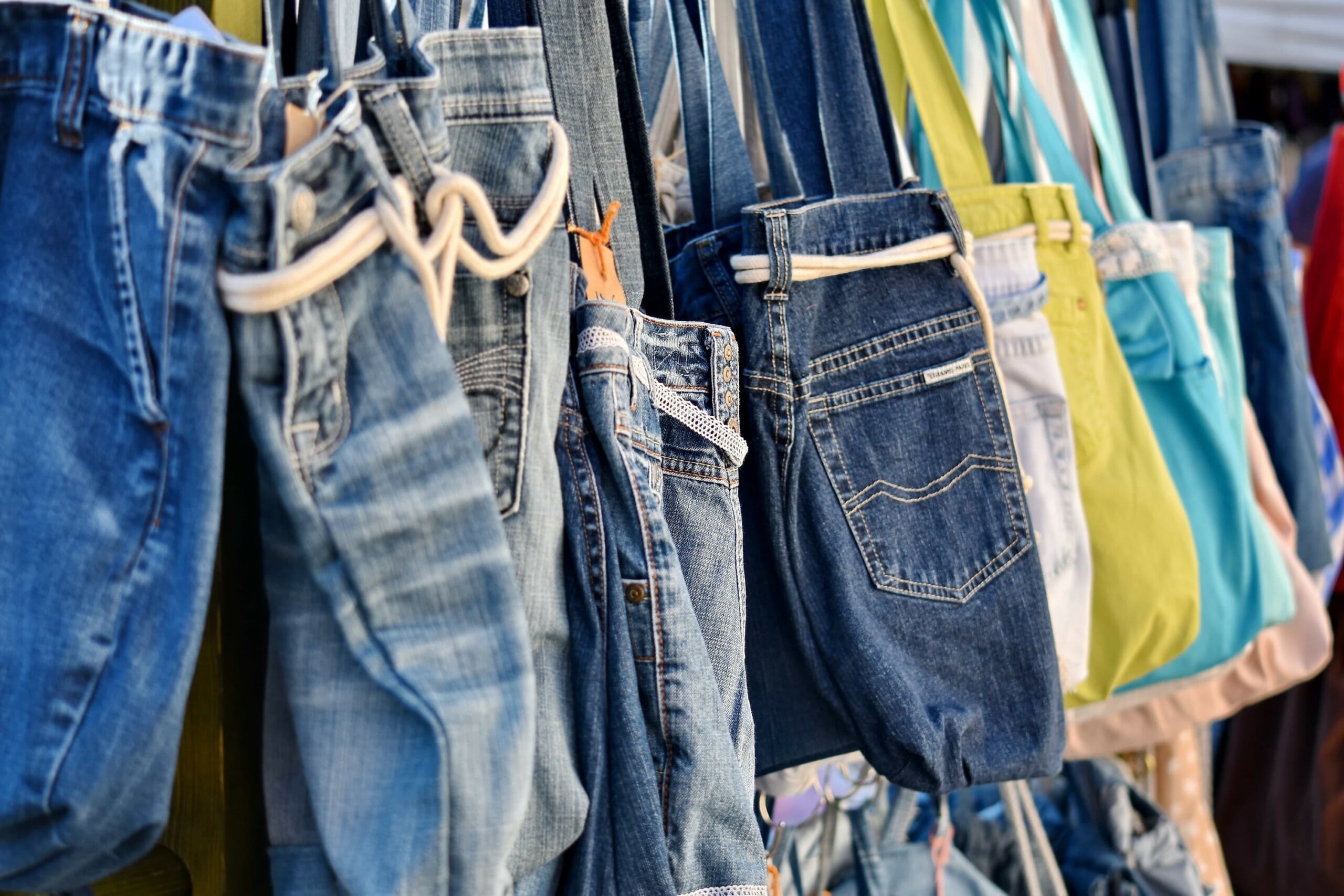
Begin by sorting your items into categories: repair, redesign, and repurpose. Repair involves fixing clothing that you still want to wear in its original form — sewing a button, patching a tear, or tightening a loose hem. Redesign focuses on improving or transforming garments, like cropping a shirt, tapering jeans, or turning a dress into a top. Repurposing is the most creative category, where clothing becomes something entirely new, such as a tote bag made from old denim or scrunchies made from leftover fabric.
As a beginner, experiment with basic techniques like cutting, tying, distressing, or fabric painting. These entry-level methods require minimal tools and allow you to create stylish results without complicated steps. Start small, have fun, and don’t worry about perfection. Upcycling thrives on experimentation — mistakes often become part of the charm. Over time, you can learn more advanced techniques like sewing, embroidery, patchwork, or pattern drafting, which open up endless possibilities for complex transformations.
Tools and Materials Every Upcycler Should Have
Upcycling can be as simple or as complex as you want it to be, but having a set of essential tools makes the process easier and more enjoyable. At the most basic level, you’ll need scissors, thread, needles, fabric glue, pins, and a measuring tape. These items alone will allow you to modify, reshape, or decorate clothing in dozens of ways. Sharp fabric scissors are especially important — they help you cut clean lines and prevent fraying.
If you want to take your projects to the next level, a sewing machine is one of the best investments you can make. You don’t need the most advanced model; even a simple machine can handle hemming, stitching, and reshaping garments. Along with a sewing machine, consider stocking up on sewing essentials like extra bobbins, different needle sizes, and various thread colors that match your clothing pieces.
For creative embellishments, gather materials like fabric paint, iron-on patches, beads, ribbons, lace, and scrap fabrics from old garments. These small additions can completely transform a plain piece of clothing into something truly eye-catching. Upcycling also encourages resourcefulness, so keep leftover fabric pieces — you’ll be surprised how useful they can be in future projects. Whether you’re adding pockets, covering stains, or creating unique patchwork designs, these extra materials will eventually become your secret weapon.
Simple Upcycling Ideas Anyone Can Try at Home
If you’re looking for easy upcycling projects to start with, T-shirt transformations are always a great choice. You can crop an oversized shirt for a more flattering fit, turn it into a tank top for summer, or cut the sleeves and stitch them into headbands. Even without sewing, you can use cutting and tying techniques to create stylish lace-up designs or fringed edges that feel brand-new.
Another fun entry-level idea is upcycling jeans. Denim is durable, easy to manipulate, and perfect for beginners. A pair of old jeans can become shorts, a mini skirt, a handbag, or even a denim apron. Distressing jeans is also popular and surprisingly simple — all you need is sandpaper, scissors, and a little patience. The beauty of denim is that imperfections add character, so don’t worry too much about precision.
For people who prefer a non-sewing approach, fabric painting or stamping is an incredible way to personalize clothing. You can paint designs, patterns, quotes, or even recreate high-fashion looks using fabric-safe paint. Tie-dye or bleach dyeing is another easy method that gives dramatic results with minimal effort. These techniques instantly give life to old clothes and allow you to experiment with bold colors or subtle gradients. The best part is that these projects are affordable and beginner-friendly, letting you explore creativity without fear.
Advanced Upcycling Techniques for Serious Creators
Once you’re comfortable with the basics, you may want to dive into more advanced upcycling techniques that require sewing or garment construction knowledge. One of the most rewarding skills to learn is pattern-making. By creating your own patterns or modifying existing ones, you can reshape old clothes into entirely new silhouettes. For example, an oversized men’s shirt can become a fitted dress, a two-piece set, or a fashionable wrap top.
Another advanced technique is patchwork — a method that involves stitching together pieces of fabric from different sources. Patchwork has become incredibly trendy, especially in jackets, pants, and denim skirts. It allows you to play with textures, colors, and fabrics to create one-of-a-kind garments. This technique does require patience and precision, but the results are worth the effort and often look high-end.
If you’re feeling ambitious, try upcycling using tailoring methods. Tailoring skills help you resize clothing, refine seams, add structure, and create beautifully fitted pieces. This is especially useful when working with thrifted clothing that doesn’t fit well. Tailoring transforms garments into flattering, wearable items that look professionally made. The more you practice, the more confident you become, and eventually, you’ll be able to upcycle intricate pieces like blazers, dresses, and coats with ease.
Popular Items to Upcycle and Why They Work So Well
T-shirts, jeans, sweaters, and jackets are among the most commonly upcycled clothing items — and for good reason. These garments offer endless possibilities for transformation and tend to be made from durable materials that hold up well during the upcycling process. For example, denim is one of the best fabrics for upcycling because it’s tough, easy to distress, and looks great when reimagined into new pieces.
Sweaters are also incredibly versatile for upcycling. You can turn an old, oversized sweater into a fitted crop top, a pair of mittens, a beanie, or even a stylish pillow cover. Knitted fabrics feel cozy and forgiving, making them perfect for beginners who want to explore different shapes without precise sewing.
Jackets and outerwear are especially fun to upcycle because they have structure and surface area for embellishments. Adding patches, embroidery, studs, or painted artwork can elevate a plain jacket into a unique statement piece. Upcycled jackets often become treasured wardrobe staples because they feel artistic and expressive.
Creative Ways to Repurpose Clothes Into New Accessories
Upcycling doesn’t always mean turning old clothes into new clothes — sometimes the best transformations come from converting garments into accessories. For instance, scrap fabric from T-shirts or dresses can be turned into scrunchies, hairbands, keychains, or small pouches. These projects require minimal sewing and are great for using up leftover materials.
Old jeans make fantastic accessories because denim is strong and stylish. You can create tote bags, crossbody bags, wallets, or even laptop sleeves. These items are not only functional but also fashionable, giving you a rustic or vintage aesthetic that works with almost any outfit.
Scarves, belts, and jewelry can also be made from upcycled materials. For example, braided fabric necklaces or chunky bracelet wraps are trendy and easy to make. Repurposing clothing into accessories helps reduce waste and lets you experiment creatively without committing to full clothing transformations.
Upcycling for Profit: Turning Creativity Into a Business
In recent years, upcycling has evolved from a personal hobby into a booming business opportunity. Many creators have launched successful brands selling upcycled clothing, accessories, and custom redesign services. The demand is high because consumers increasingly value sustainability, uniqueness, and handmade craftsmanship — three things upcycling delivers perfectly.
If you’re considering monetizing your upcycling skills, start by building a portfolio. Take high-quality photos of your creations and share them on social media. Platforms like Instagram, TikTok, and Etsy are perfect for showcasing and selling upcycled fashion. Be transparent about your process, as customers love seeing the before-and-after transformations.
Pricing your items fairly is important. Since upcycling involves creativity and labor, your products should reflect that value. Many successful upcyclers focus on niche markets like vintage reworks, denim transformations, patchwork jackets, or bridal upcycling. Once you find your style and target audience, your brand can grow into a profitable, sustainable business.
Environmental Benefits of Upcycling Clothes
One of the biggest advantages of upcycling is its positive impact on the environment. By reusing existing clothing, we reduce the need for new materials and minimize the waste produced by fast fashion. Clothing production consumes massive amounts of water, energy, and chemicals. For example, producing a single cotton T-shirt requires thousands of liters of water. Upcycling avoids this wasteful process entirely.
Another environmental benefit is the reduction of textile waste. The fashion industry is responsible for a staggering amount of landfill pollution, much of which takes decades or even centuries to break down. Upcycling diverts clothing away from landfills and gives it a longer life cycle. When millions of people participate in upcycling, the collective impact becomes enormous.
Upcycling also reduces carbon emissions associated with manufacturing and transportation. Instead of buying new clothes shipped from across the world, upcycling allows you to use what you already have. This localizes fashion production and supports a more circular, eco-friendly economy. The environmental benefits make upcycling not just a creative choice, but a responsible one.
How Upcycling Builds Personal Style and Confidence
One of the most underrated benefits of upcycling is the way it strengthens your personal style. When you create or alter your own clothing, you step away from mass-produced trends and move toward true self-expression. Your wardrobe becomes a curated collection of pieces that reflect your uniqueness, creativity, and preferences.
Wearing upcycled clothing also builds confidence. There’s a special pride in wearing something you made yourself — whether it’s a simple alteration or a complete transformation. The compliments you receive feel different too, because the item isn’t something anyone can buy off a rack. It’s yours, entirely unique and personal.
Beyond style, upcycling teaches valuable skills. You become more aware of how clothes are constructed, which helps you shop more mindfully and recognize quality. You also develop problem-solving skills because upcycling often involves creative decision-making. With each project, you grow more confident and capable — not just in fashion, but in your overall creative abilities.
Conclusion:
Upcycling clothes isn’t just a fun hobby — it’s a powerful movement shaping the future of fashion. It promotes sustainability, inspires creativity, and encourages people to rethink the way they interact with their wardrobes. As more individuals and brands embrace upcycling, we move closer to a world where fashion is circular, intentional, and environmentally responsible.
Whether you’re a beginner cutting your first T-shirt or an experienced creator turning old garments into wearable art, upcycling offers limitless possibilities. It’s a reminder that fashion doesn’t have to be wasteful, expensive, or mass-produced to be beautiful. In fact, some of the most meaningful and stylish pieces come from garments we once overlooked.
So grab your scissors, gather your old clothes, and start creating. The future of fashion is in your hands — and it looks a lot more sustainable, expressive, and exciting than ever before.