
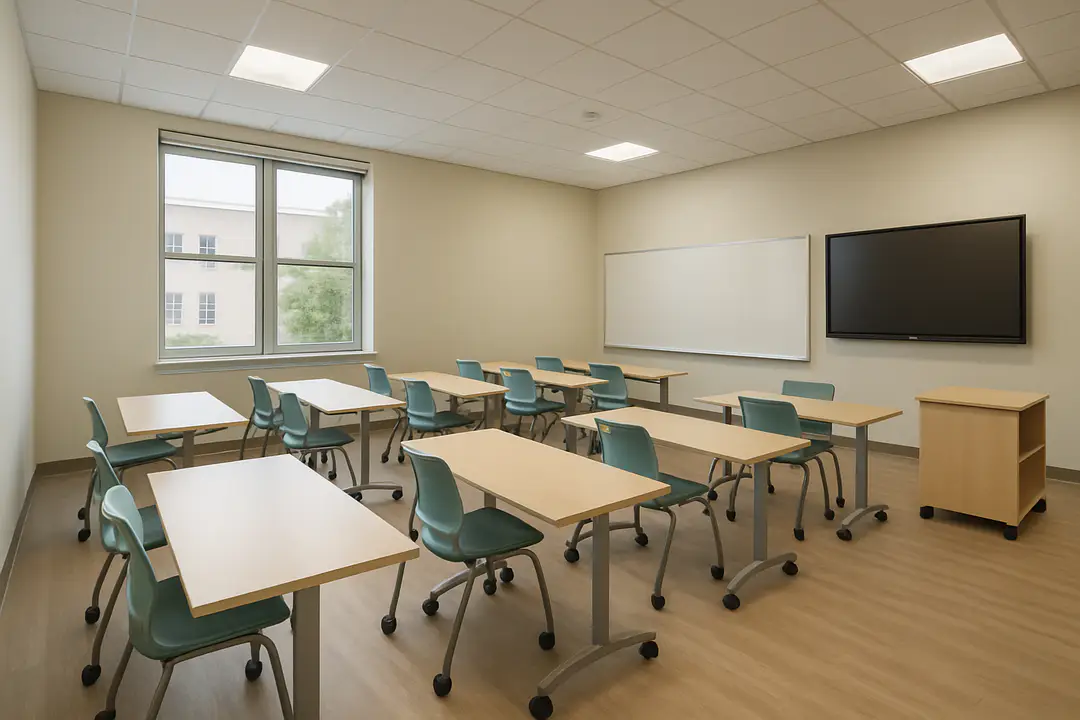
Ever wondered why the term “classroom 30x” is suddenly everywhere in education discussions? And why so many teachers, institutions, and EdTech creators believe it represents the next major shift in learning environments? Well, you’re in the right place. Because today, we’re diving deep into what classroom 30x really means, why it matters more than ever, and how it’s transforming the way students learn in a fast-changing digital world.
As education keeps evolving, the traditional classroom model—rows of desks, chalkboard in front, and one teacher leading the entire session—no longer fits what today’s learners need. This shift in expectations, combined with new technology standards, is exactly what gave rise to the concept of a “classroom 30x.” Think of it as a highly flexible, technology-powered, learner-centered space where the focus is on personalization, interaction, and smarter learning.
In this article, we’ll break down the philosophy behind classroom 30x, explore what makes it unique, and reveal how educators can leverage it to create better learning outcomes. And yes, we’ll also look at how schools that adopt this model end up boosting engagement, improving results, and future-proofing their entire teaching ecosystem.
Understanding the Concept of Classroom 30x
Why the Term “30x” Matters
The term “30x” doesn’t refer to a physical dimension. Instead, it represents a multiplier—a concept suggesting that today’s classrooms should deliver thirty times the efficiency, flexibility, connectivity, and innovation compared to traditional learning environments. It’s a mindset shift rather than a physical structure. The idea is to create learning spaces that support rapid adaptation, offer seamless digital integration, and empower both teachers and students to do far more with fewer limitations.
Educators worldwide are increasingly recognizing that classrooms must go beyond basic teaching. With digital tools becoming standard in everyday life, students expect learning environments that match the technology they use outside school. Classroom 30x acknowledges this shift and lays out a framework for creating environments that foster creativity, engagement, and dynamic learning.
Moreover, the “30x” concept pushes schools to think bigger. It challenges the idea that learning must follow a rigid, linear structure. Instead, it invites educators to embrace dynamic layouts, personalized learning paths, and systems where students take active roles in shaping their learning experiences. It’s not just evolution—it’s reinvention.
What Makes a Classroom 30x Different From Traditional Classrooms
A classroom 30x prioritizes flexibility in ways traditional classrooms never could. Forget fixed seating arrangements or “front of the class.” In a 30x setting, you’ll often find modular furniture that can be rearranged in seconds, multiple screens that allow students to collaborate in real time, and digital tools that enable seamless sharing and interaction. This physical freedom encourages teamwork and problem-solving, helping students become active participants rather than passive listeners.
Traditional classrooms often rely on one-way communication, with the teacher delivering lessons and students taking notes. Classroom 30x disrupts this model. It brings in interactive whiteboards, mobile devices, cloud-based assignments, and adaptive learning applications that tailor lessons to each student’s strengths and weaknesses. This fosters deeper engagement and ensures students don’t fall behind or become bored due to mismatched pacing.
The atmosphere itself changes, too. A classroom 30x feels alive—it’s dynamic, open, and filled with opportunities for creativity. Students are encouraged to explore topics in ways that fit their learning preferences, whether that means interacting with multimedia, participating in group discussions, or working on self-guided projects. Every element is designed to enhance clarity, reduce friction, and elevate learning quality.
Why Schools Are Moving Toward the 30x Model
Schools adopting the classroom 30x approach are driven by a need to keep up with the demands of a digital world. Employers look for graduates who can collaborate across borders, solve problems quickly, and adapt to new technologies with ease. Traditional learning environments often fail to nurture these skills. By introducing the 30x model, schools bridge the gap between academic theory and real-world readiness.
Another factor pushing this movement is the growing awareness of different learning styles. Not every student thrives in a lecture-style environment. Classroom 30x embraces auditory, visual, kinesthetic, and reading/writing learners equally. It provides resources and structures that help each student perform at their best, boosting overall academic performance.
Lastly, administrators recognize the long-term efficiency benefits. Classroom 30x setups maximize space usage, reduce print costs, support sustainability, and allow teachers to automate routine tasks. This gives educators more time to focus on meaningful instruction and personal student support, which ultimately enhances the entire learning experience.
Key Features That Define a Classroom 30x
Advanced Technology Integration
One of the hallmarks of classroom 30x is its embrace of modern technology. Instead of viewing digital tools as optional add-ons, the 30x model treats them as essential elements of the learning environment. Every component in the classroom is designed to work seamlessly with the digital ecosystem, ensuring uninterrupted learning experiences.
For instance, interactive smartboards replace chalkboards and whiteboards, offering features like screen sharing, real-time collaboration, and multimedia integration. These tools allow teachers to create richer, more engaging lessons. Students can annotate slides, participate in quizzes, or collaborate on a shared document—all without leaving their seats.
In addition, classroom 30x often includes cloud-based learning management systems that store assignments, grades, and course materials. This eliminates confusion and improves communication. Students can access their work anytime, anywhere, which promotes accountability and independent learning. Teachers also benefit because these systems reduce manual workload and streamline grading.
Finally, school-provided tablets or laptops ensure each student has equal access to the tools they need. This removes barriers created by income disparities and boosts digital literacy, preparing students for a technology-driven future. When technology becomes a natural part of everyday learning, student confidence and creativity increase dramatically.
Flexible Room Layouts and Modular Furniture
Flexibility is a core principle in classroom 30x. Instead of rigid rows, educators use modular setups that can switch from individual learning to group discussions to creative workshops in moments. This versatility encourages collaboration and supports multiple teaching methods without requiring separate rooms or complicated arrangements.
Imagine a lesson where students start with a short presentation, move into small group analysis, and finish with hands-on experimentation. Traditional classrooms make this transition awkward. Classroom 30x designs make it seamless. Tables roll, chairs swivel, and surfaces adapt to various activities. Students feel more relaxed and engaged when furniture supports, rather than restricts, movement.
This flexibility also supports blended learning environments. Teachers can split the class into zones where different learning methods take place simultaneously—digital exploration in one area, collaborative work in another, and direct instruction in a third. This approach ensures each student experiences learning in the format that best suits their needs at that moment.
Overall, the adaptable layout improves focus, boosts creativity, and makes lessons feel more dynamic. It empowers teachers to experiment with new teaching strategies that go beyond the ordinary lecture format.
Emphasis on Personalized Learning
Personalized learning is a defining characteristic of the classroom 30x philosophy. Instead of teaching every student the same way, educators customize lessons based on individual performance, interests, and learning styles. This shift acknowledges that every student learns differently and deserves a path tailored to their strengths.
Digital tools help make this personalization possible. Adaptive learning software tracks student progress in real time and adjusts content difficulty based on performance. This ensures advanced students feel challenged while those who need extra help receive additional support. It creates a more balanced learning experience where no one is left behind.
Teachers also play a crucial role. Classroom 30x gives them access to detailed insights into each student’s learning behavior. These analytics help educators design better lessons, address weak points directly, and celebrate unique strengths. Students feel seen and supported, leading to improved motivation and confidence.
The outcome is a more meaningful learning journey. Students stay engaged because the content feels relevant and achievable. They develop deeper understanding, better critical thinking skills, and a stronger sense of ownership over their academic growth.
Benefits of Adopting the Classroom 30x Model
Boosted Student Engagement
Student engagement is one of the biggest advantages of classroom 30x. When students interact with technology, collaborate with peers, and learn through a variety of methods, the classroom becomes a lively environment where curiosity thrives. Engaged students participate more actively, retain information better, and show improved academic performance.
In many traditional classrooms, students lose interest because lessons feel monotonous. Classroom 30x introduces dynamic activities that break this pattern. Whether students are working on interactive simulations, collaborating through shared documents, or participating in problem-solving challenges, they remain involved from start to finish.
Furthermore, the personalized learning aspect ensures students never feel overwhelmed or under-challenged. Lessons match their skill levels, making learning feel achievable rather than intimidating. When students feel capable, they naturally engage more deeply with the material.
This increased engagement contributes to a positive cycle—motivated students learn more effectively, which leads to better outcomes, creating even more motivation. Classroom 30x nurtures this cycle beautifully.
Enhanced Teacher Productivity
Teachers benefit significantly from the classroom 30x model because it reduces administrative burdens and enhances efficiency. With digital tools handling attendance, grading, assignment distribution, and communication, teachers gain more time to focus on instruction and supporting students individually.
Interactive teaching tools help simplify complex explanations. Instead of drawing diagrams manually or repeating instructions, teachers can use visual aids, models, animations, and collaborative documents to convey ideas quickly and clearly. This improves lesson quality while reducing repetitive tasks.
Additionally, analytics dashboards give teachers valuable insights into student progress. Instead of guessing who may need help, teachers receive precise data that highlights strengths and weaknesses. This allows them to intervene earlier, provide more effective feedback, and personalize lesson plans.
Ultimately, a classroom 30x environment helps teachers do what they do best—teach—without drowning in paperwork or logistical challenges. This leads to stronger professional satisfaction and improved classroom performance.
Future-Ready Skills for Students
Classroom 30x prepares students for the real world by equipping them with skills that matter outside school. Communication, collaboration, critical thinking, creativity, digital literacy, and adaptability are essential for success in modern workplaces. The 30x model integrates these skills naturally into everyday learning.
Through constant use of technology, students become comfortable navigating digital platforms, troubleshooting issues, and using tools responsibly. Group-based activities cultivate communication and teamwork abilities, which are vital for professional environments. Problem-solving challenges and project-based learning help students think critically and develop resilience.
Moreover, classroom 30x encourages independent learning. Students learn how to research, manage time, and take responsibility for their results. These habits form the foundation of lifelong learning, giving students an advantage in college, careers, and personal growth.
By focusing on future-ready skills, classroom 30x transforms education from a memory-based model into a practical, experience-driven one that prepares students for real-life expectations.
Challenges Schools Face When Implementing Classroom 30x
High Initial Costs
Implementing a classroom 30x environment requires investment. Schools need to purchase digital devices, interactive displays, modular furniture, and reliable networks. These upgrades can be expensive, especially for institutions with limited budgets. However, many educators argue that the long-term benefits outweigh the initial costs.
One way to manage expenses is by implementing upgrades gradually. Schools can start with essential tools like projectors, laptops, or cloud-based platforms, and then expand over time. Grants, partnerships, and donations also help reduce financial pressure and accelerate modernization.
Another factor to consider is maintenance. Technology requires regular updates and servicing to ensure smooth operation. Schools must allocate ongoing funds to support technicians, software licenses, and replacements. While this adds to the cost, it’s crucial for maintaining a functional 30x environment.
Despite these challenges, many schools successfully adopt the 30x model through strategic planning. The key is prioritizing long-term goals over short-term expenses, especially when the improvements directly impact student learning.
Teacher Training and Adaptation
Even the most advanced classroom tools are useless if teachers don’t know how to use them effectively. Transitioning to a classroom 30x model requires extensive training and skill development. Many educators feel overwhelmed by new technologies, which can lead to frustration or resistance.
Professional development programs help bridge this gap. Schools must provide ongoing training sessions that teach educators how to integrate digital tools into their lessons. Hands-on workshops, peer mentoring, and online resources strengthen teacher confidence and competence.
Additionally, teachers need time to adapt. It’s unrealistic to expect them to master every tool immediately. Schools must offer patience and support during the learning process. The more comfortable teachers feel, the more creatively they can use classroom 30x technologies to improve learning.
Ultimately, the goal is not to force change but to empower educators. When teachers understand how classroom 30x enhances their work, they become enthusiastic adopters of the model, which ensures a smoother transition and better long-term results.
Ensuring Equal Access for All Students
Equity is a significant concern when introducing technology-based learning. Not all students have access to devices or stable internet at home. This digital divide can create unfair disadvantages and harm student performance.
To address this issue, schools implementing classroom 30x must ensure every student has access to the same resources. Providing school-owned tablets or laptops is a common solution. Schools can also offer portable Wi-Fi devices or after-hours access to on-campus digital facilities.
In addition, educators should design lessons that do not rely heavily on at-home technology unless alternatives exist. Offline tasks, printed resources, or in-class digital time help support students without home access.
Promoting digital equity ensures every student benefits equally from the 30x model. When technology enhances, rather than limits, learning opportunities, the classroom becomes a more inclusive and supportive environment.
The Future of Classroom 30x
Growing Use of Artificial Intelligence
Artificial intelligence (AI) is becoming a major part of modern education, and classroom 30x will rely heavily on AI-driven tools. These systems can automate routine tasks, analyze student behavior, and personalize learning more effectively than ever. For teachers, AI acts like a virtual assistant that simplifies planning and grading, freeing up valuable time.
For students, AI provides adaptive learning paths that adjust in real time. These tools identify strengths, weaknesses, and areas needing improvement, offering personalized suggestions. AI also helps students practice concepts at their own pace, making learning feel more customized and less stressful.
As AI continues evolving, classroom 30x environments will become smarter, more efficient, and more interactive. The integration of AI ensures each student experiences a tailored educational journey, maximizing potential outcomes.
Virtual and Augmented Reality in Learning
Virtual reality (VR) and augmented reality (AR) are no longer just futuristic ideas—they’re quickly becoming everyday learning tools. Classroom 30x embraces these technologies to create immersive learning experiences that traditional classrooms could never offer.
Imagine students exploring ancient civilizations by virtually walking through historical sites, or conducting scientific experiments in simulated environments without safety risks. These experiences improve understanding, boost engagement, and make learning far more memorable.
AR enhances real-world lessons by overlaying digital content onto physical objects. Students can scan diagrams, textbooks, or lab equipment to access interactive explanations. This makes difficult concepts easier to grasp and allows students to learn through exploration.
The integration of VR and AR is a key indicator that classroom 30x is not just trendy—it’s the future of education.
Stronger Collaboration Between Students Worldwide
With the rise of digital communication, classroom 30x promotes global collaboration. Students from different countries can connect through online platforms, work on shared projects, and learn from diverse perspectives. This strengthens cultural awareness, empathy, and communication skills.
As classrooms become more interconnected, students gain opportunities previously impossible in traditional settings. They can participate in virtual internships, attend international workshops, or collaborate with experts thousands of miles away. These experiences help prepare them for a globalized workforce.
This global connectivity is one of the most exciting aspects of classroom 30x. It breaks down geographical barriers and creates a richer, more meaningful learning environment.
Conclusion: Why Classroom 30x Is the Future of Education
Classroom 30x represents a powerful shift in how we approach learning. It breaks free from the limitations of traditional classrooms and introduces an environment built for flexibility, collaboration, and innovation. By integrating technology, focusing on personalized learning, and encouraging active participation, classroom 30x empowers students and teachers alike.
As the world continues evolving, education must evolve with it. Classroom 30x is not just a trend—it’s a necessary transformation that prepares students for real-life challenges. Schools that embrace this model unlock better engagement, improved performance, and a future-ready generation of learners.
Whether you’re an educator, student, parent, or administrator, understanding the potential of classroom 30x is the first step toward creating smarter, more meaningful learning experiences. And as more institutions adopt this model, the future of education looks brighter than ever.